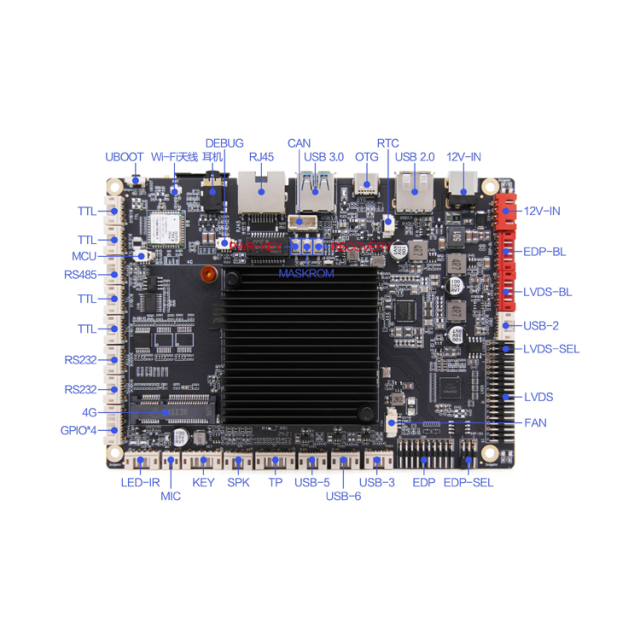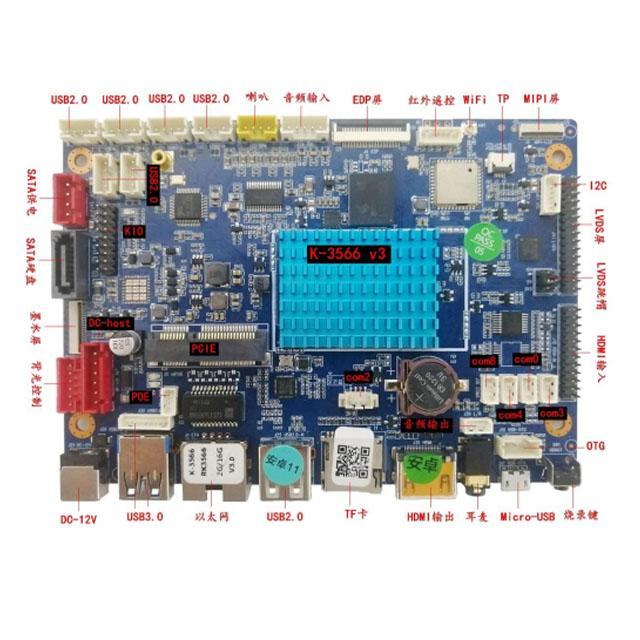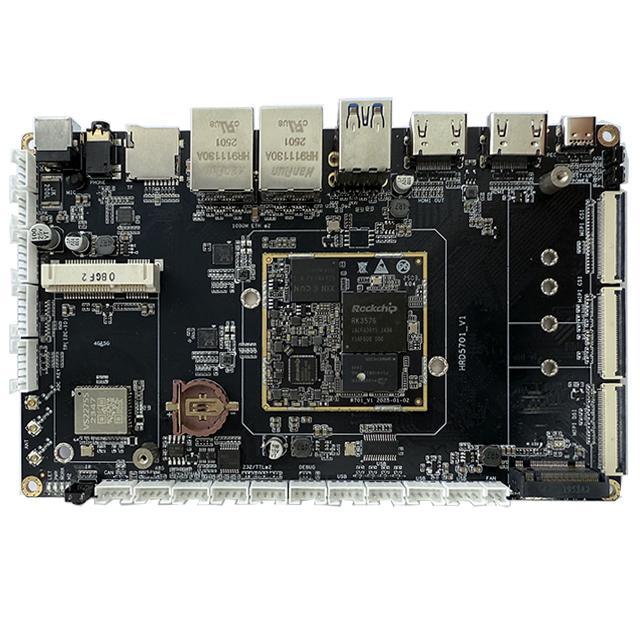
Many hardware teams face a critical decision at project kick‑off: build a full custom PCB around Rockchip SoC, or adopt an off‑the‑shelf Rockchip SoM (System‑on‑Module) with self‑designed carrier board. Each path brings different risks, development time, BSP support and mass‑production yield.
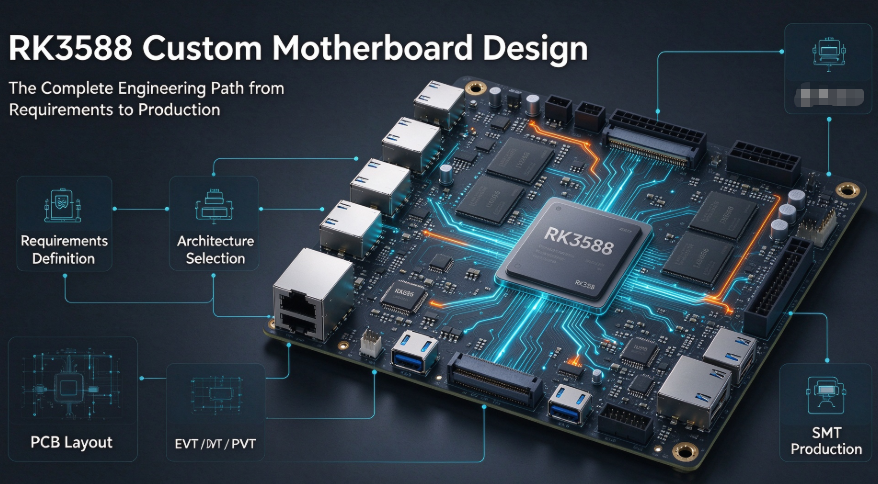
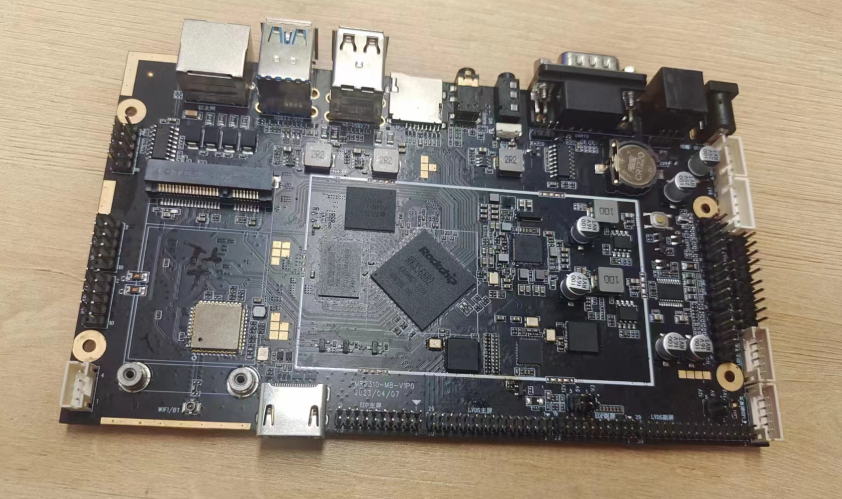
Full‑custom PCB means you design everything including DDR routing, PMIC power circuit, high‑speed interfaces and boot circuitry. It delivers minimal BOM cost in large volume. However, Rockchip high‑speed SoCs such as RK3568 and RK3588 impose strict requirements for DDR signal integrity, impedance control and trace length matching. Poor layout easily causes random crash, DDR training failure or thermal throttling, costing multiple PCB re‑spins and months of delay. This approach fits projects with very high annual volume, where you have experienced high‑speed PCB engineers on‑board.
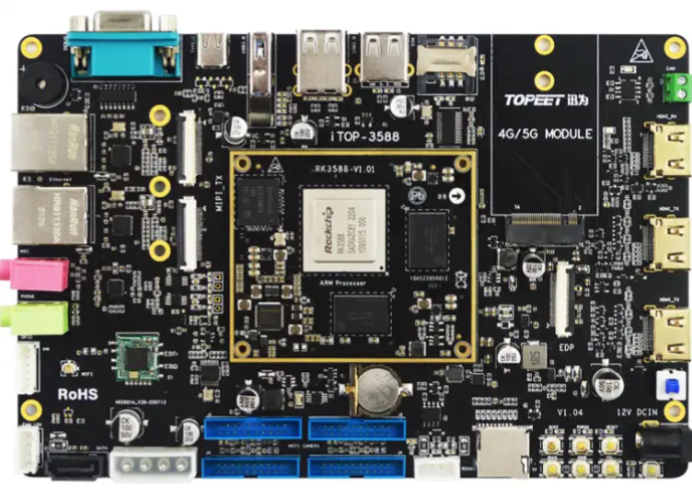
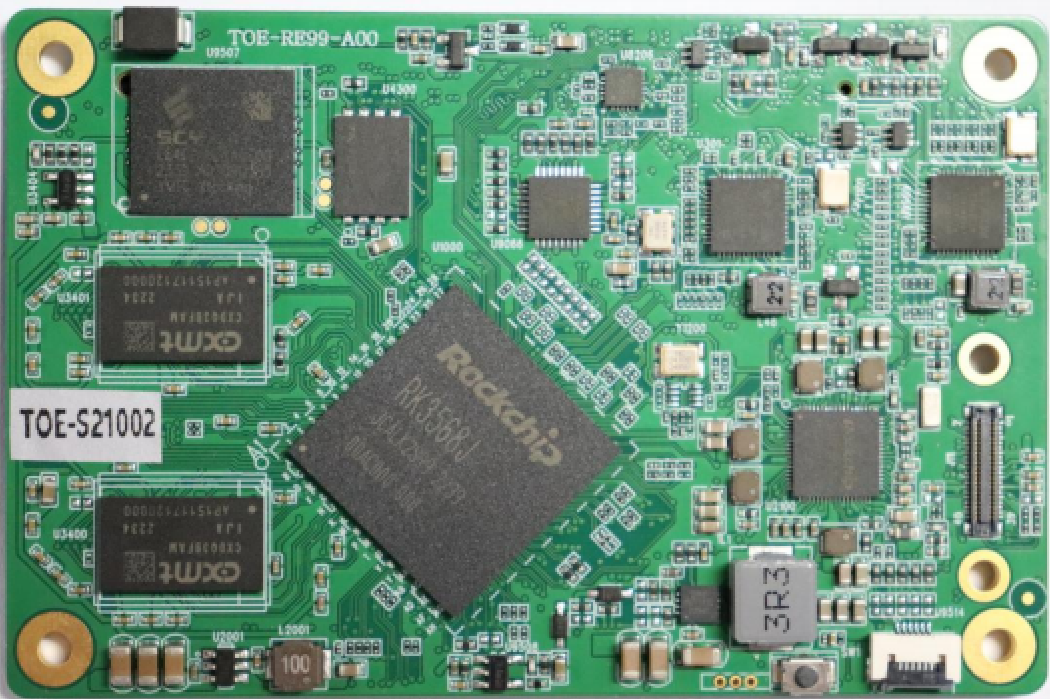
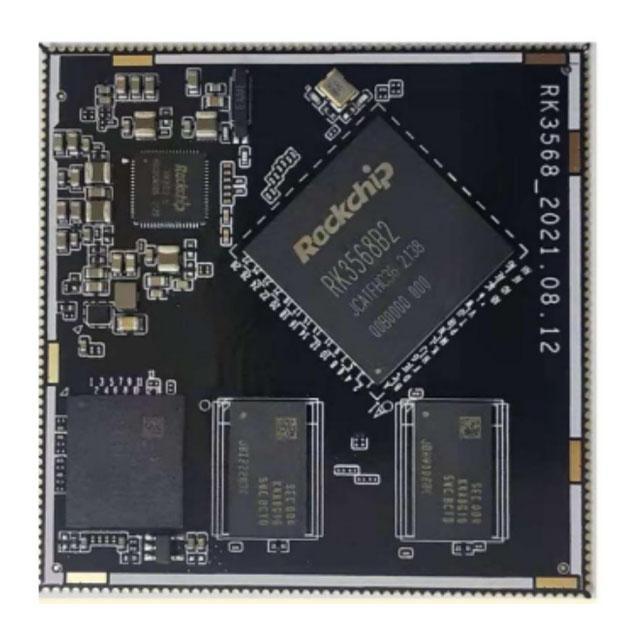
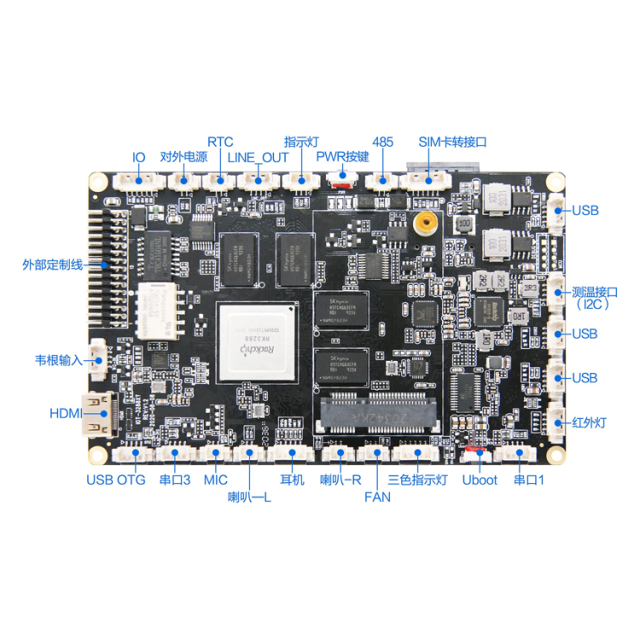
Rockchip SoM integrates SoC, DDR, eMMC and power management onto one compact module. Vendors complete all complex high‑speed layout, validation and aging tests. Your team only needs to develop a simple carrier board with power supply, connectors and peripheral circuits. Development cycles can be shortened by 3‑6 months. Complete Rockchip SDK, BSP and device tree source are normally provided for Linux or Android system customization.
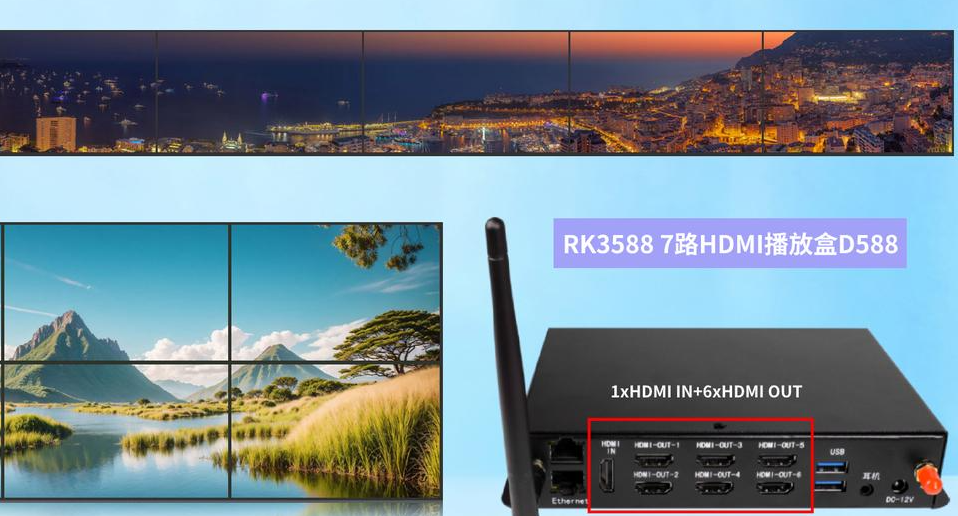
SoM modules are ideal for mid‑volume industrial HMI, edge AI gateways, digital signage and smart medical terminals. The main downside is higher unit cost compared to fully custom hardware.
Decision checklist:
- Pick SoM: Limited high‑speed PCB experience, tight time‑to‑market, mid‑volume production, need stable BSP support.
- Pick full custom PCB: Very high mass volume, cost‑sensitive, you have experienced high‑speed hardware team.
For most small‑to‑medium embedded teams, starting from Rockchip SoM is a low‑risk way to get product to market fast.